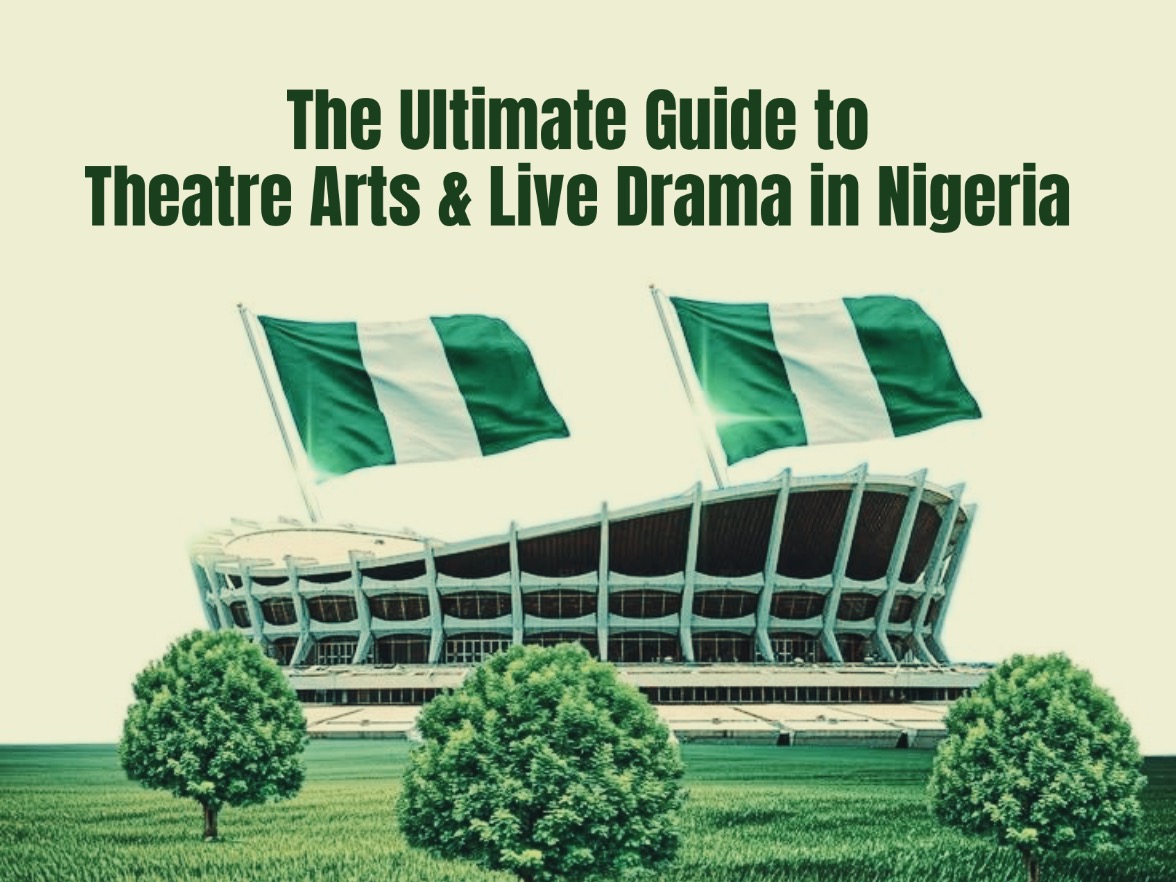
Nigeria's theatre arts industry is experiencing an exciting revival. From blockbuster stage plays in Lagos to university productions, cultural festivals, musicals, and immersive performances, live theatre is attracting larger audiences than ever before. Whether you're searching for theatre art, theatre arts in Nigeria, drama and theatre, or the best places to watch live performances, there's never been a better time to explore Nigeria's vibrant performing arts scene.
While streaming platforms offer convenience, nothing compares to the atmosphere of a live performance—the anticipation before the curtain rises, the energy shared between performers and audience, and the applause that fills the room after an unforgettable production. Live theatre creates moments that simply cannot be replicated on screen.
In this comprehensive guide, you'll learn what theatre art really means, why it remains an important part of Nigerian culture, where to experience the country's best performances, and how to discover upcoming stage plays and cultural events happening near you.
What Is Theatre Art?
Theatre art is the creative practice of telling stories through live performance before an audience. It combines acting, music, dance, dialogue, costumes, lighting, sound, stage design, and movement to communicate ideas, entertain audiences, preserve culture, and inspire meaningful conversations.
Unlike film or television, theatre happens in real time. Every performance is unique because the interaction between performers and the audience creates a different experience every single night.
In Nigeria, theatre arts have long served as powerful tools for education, cultural preservation, political commentary, entertainment, and community engagement. From traditional folk performances to contemporary stage productions, theatre continues to evolve while celebrating Nigeria's diverse heritage.
Theatre or Theater: What's the Difference?
One of the most common questions people ask online is whether the correct spelling is theatre or theater.
The answer is simple:
- Theatre is the British English spelling used throughout Nigeria, the United Kingdom, and many Commonwealth countries.
- Theater is the American English spelling commonly used in the United States.
Both words mean exactly the same thing. Since Nigeria follows British English conventions, you'll most commonly see theatre used by schools, universities, performance venues, and cultural organisations.
What Is the Difference Between Drama and Theatre?
Although many people use the terms interchangeably, drama and theatre are not exactly the same.
Drama refers to the written story or script—the characters, dialogue, conflict, and narrative structure created by the playwright.
Theatre, on the other hand, is the live performance of that script. It includes the actors, directors, costumes, lighting, stage design, music, choreography, and the audience experiencing the story together.
Put simply:
Drama is written. Theatre is performed.
Why Theatre Arts Matter in Nigeria
Theatre has always been much more than entertainment in Nigeria. It has helped preserve indigenous languages, document historical events, celebrate traditions, challenge social issues, and provide opportunities for creative expression.
Generations of playwrights, actors, directors, choreographers, musicians, costume designers, and producers have contributed to one of Africa's richest performing arts traditions.
Today, Nigerian theatre continues to evolve by blending traditional storytelling with modern technology, contemporary music, immersive stage design, and innovative audience experiences.
Whether you're watching a Shakespeare adaptation, a contemporary Nigerian drama, a comedy production, or a musical inspired by local folklore, every performance reflects the creativity and resilience of Nigeria's thriving arts community.
The Essential Elements of Theatre
Every successful theatre production relies on several key elements working together to create an unforgettable experience.
- Performers: Actors, dancers, musicians, and narrators who bring the story to life.
- Audience: Theatre is one of the few art forms where audience reactions directly influence the atmosphere of every performance.
- Script: The written drama that provides dialogue, characters, and structure.
- Stage Design: Sets, props, scenery, and visual storytelling that immerse audiences in the world of the play.
- Lighting & Sound: Technical elements that establish mood, emotion, and dramatic impact.
- Costumes & Makeup: Visual details that help define characters, historical periods, and cultural identity.
- Direction: The creative vision that brings every artistic element together into one cohesive production.
When these elements work in harmony, theatre becomes an unforgettable shared experience between performers and audience.
Behind Every Great Performance: The Importance of Rehearsals
Before audiences witness a polished stage production, countless hours are spent rehearsing behind the scenes.
A rehearsal is the structured process where actors, directors, choreographers, musicians, and technical crews practise every aspect of a performance. Dialogue is refined, stage movements are perfected, lighting cues are tested, costumes are adjusted, and transitions are rehearsed until every detail feels natural.
Depending on the production, rehearsals may continue for several weeks or even months before opening night. The confidence, chemistry, and emotional impact audiences experience on stage are all built during these intensive preparation sessions.
Great theatre isn't created on opening night—it is crafted through weeks of collaboration, creativity, discipline, and rehearsal.
Why More Nigerians Are Choosing Live Theatre
Live theatre offers something digital entertainment cannot: genuine human connection. Every laugh, standing ovation, emotional silence, and spontaneous audience reaction becomes part of the performance itself.
Across Lagos, Abuja, Ibadan, Port Harcourt, Enugu, and other cities, theatre companies are attracting new audiences with modern productions, interactive storytelling, and innovative performance spaces.
As interest in Nigerian performing arts continues to grow, discovering the best venues and upcoming productions has become easier than ever.
Host or find your next event on Jubilq
Discover top pool parties, concerts, and nightlife vibes across Nigeria, or create your event in under 3 minutes.